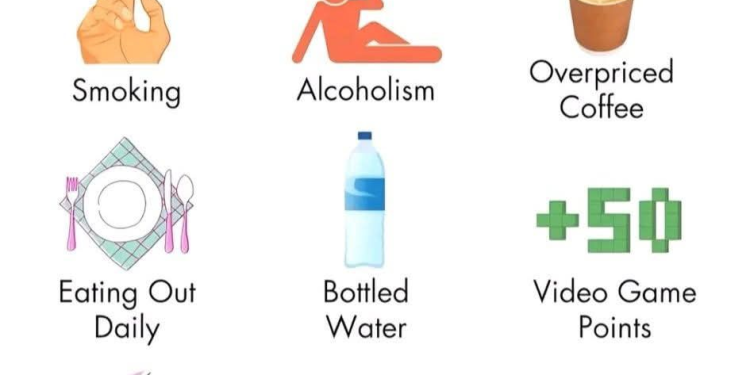
In today’s fast-paced world, managing finances can be challenging, especially when small habits and daily decisions drain your bank account without you realizing it. These seemingly harmless expenses can accumulate over time and derail your financial goals. Here are nine common habits that might be keeping you financially strained and how to avoid them.
1. Smoking
Smoking is not just harmful to your health; it’s also a significant financial burden. The cumulative cost of cigarettes over a year can be staggering. For instance, if you spend Ksh 200 daily on cigarettes, that adds up to over Ksh 70,000 annually. Quitting smoking not only saves money but also improves your overall well-being.
2. Alcoholism
Regular drinking or binge drinking can burn a hole in your pocket. Alcoholic beverages, whether at a bar or at home, are expensive when consumed frequently. Redirecting the money spent on alcohol toward investments or savings can significantly improve your financial health.
3. Overpriced Coffee
Many people indulge in daily coffee runs to trendy cafes, often spending exorbitant amounts on fancy lattes. While it might seem like a small expense, a Ksh 400 coffee every day adds up to Ksh 12,000 per month. Brewing coffee at home can be a much more budget-friendly alternative.
4. Eating Out Daily
Dining out is convenient, but it’s also costly. Regularly eating at restaurants or ordering takeout can take a significant chunk out of your budget. Cooking at home is a healthier and more economical option, allowing you to save money and control your nutrition.
5. Bottled Water
Buying bottled water may seem like a minor expense, but it’s unnecessary if you have access to clean tap water or can invest in a reusable water bottle and a filtration system. Small changes like this can save you thousands annually.
6. Video Game Points
Spending money on in-game purchases, upgrades, or virtual currency might provide temporary satisfaction but rarely adds lasting value. Consider setting limits on gaming expenses and redirecting that money toward hobbies or activities that offer better long-term rewards.
7. Buying Branded Clothes
Purchasing expensive branded clothing to keep up with trends can drain your wallet quickly. While quality is important, there are many affordable options that offer durability and style without the hefty price tag. Focus on what you need rather than the logo.
8. “Needing” the New Phone
The constant urge to upgrade to the latest smartphone is a trap. New models often come with only minor upgrades but hefty price tags. Evaluate whether you truly need a new phone or if your current one still serves its purpose.
9. Gambling
Gambling is one of the quickest ways to lose money. The allure of quick riches often blinds people to the reality that gambling is designed to favor the house. Instead, focus on building wealth through disciplined saving and investing.
How to Break Free from These Habits
- Track Your Expenses: Monitor your spending to identify areas where you can cut back.
- Set Financial Goals: Having clear objectives helps you stay focused and avoid unnecessary expenses.
- Budget Wisely: Allocate funds for essentials, savings, and occasional treats to maintain balance.
- Build Awareness: Recognize the long-term impact of your daily habits on your finances.
Conclusion
Financial success isn’t just about earning more money—it’s about managing the money you already have. By addressing these habits and making small, intentional changes, you can significantly improve your financial situation and work toward long-term stability and prosperity. Remember, it’s not about completely depriving yourself but rather being mindful of how your choices affect your financial future.