
In a landmark step toward resolving the city’s persistent waterlogging problems, the Kampala Capital City Authority has approved a KCCA underground drainage overhaul Kampala flooding strategy aimed at combating chronic floods. The new plan focuses on installing modern underground drainage systems to replace the aging and inefficient open channels that currently dominate the capital’s flood control infrastructure.
The move comes amid increasing public outcry over the annual devastation caused by floods in Kampala’s low-lying areas, with homes, roads, and businesses routinely submerged during the rainy seasons. According to KCCA officials, the underground drainage project will usher in a new era of flood-resilient urban planning.
Why the Underground Drainage Plan Matters
Kampala’s topography—characterized by hills and valleys—combined with rapid urbanization and poor waste disposal, has exacerbated flood risks. For years, drainage systems have been overwhelmed by stormwater runoff, blocked by garbage, or rendered ineffective by construction encroachments.
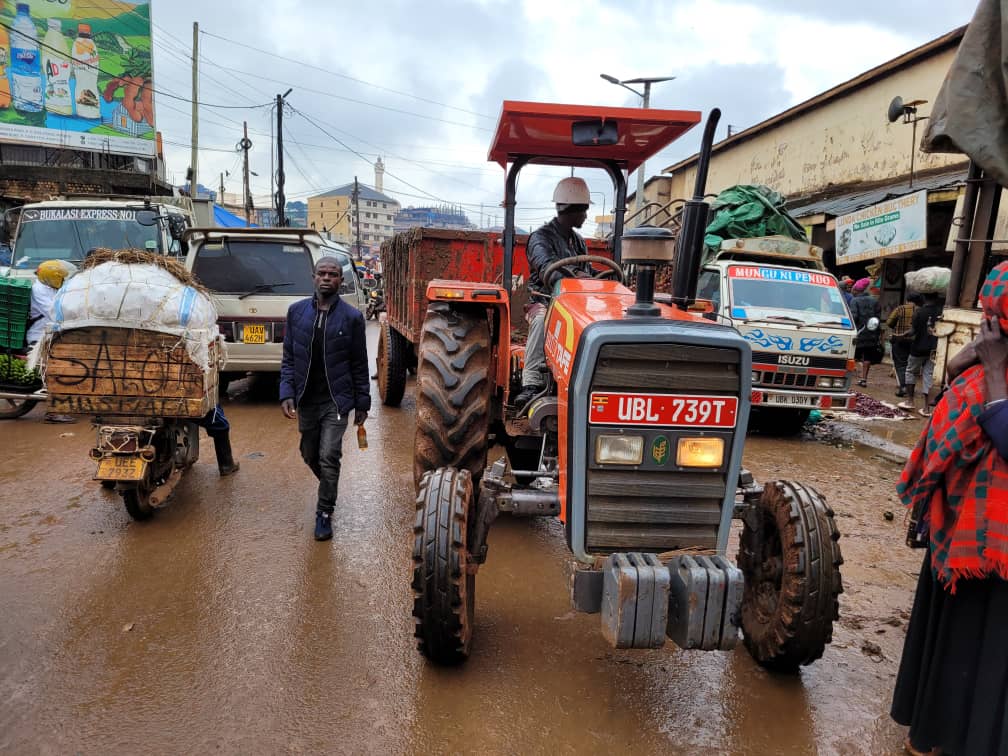
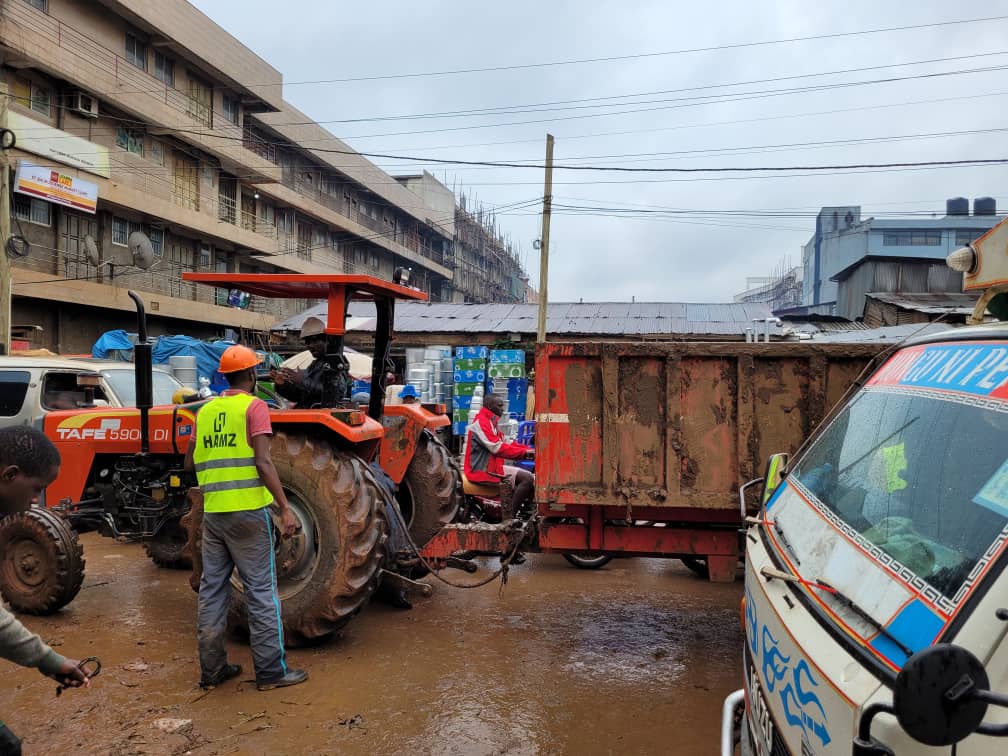
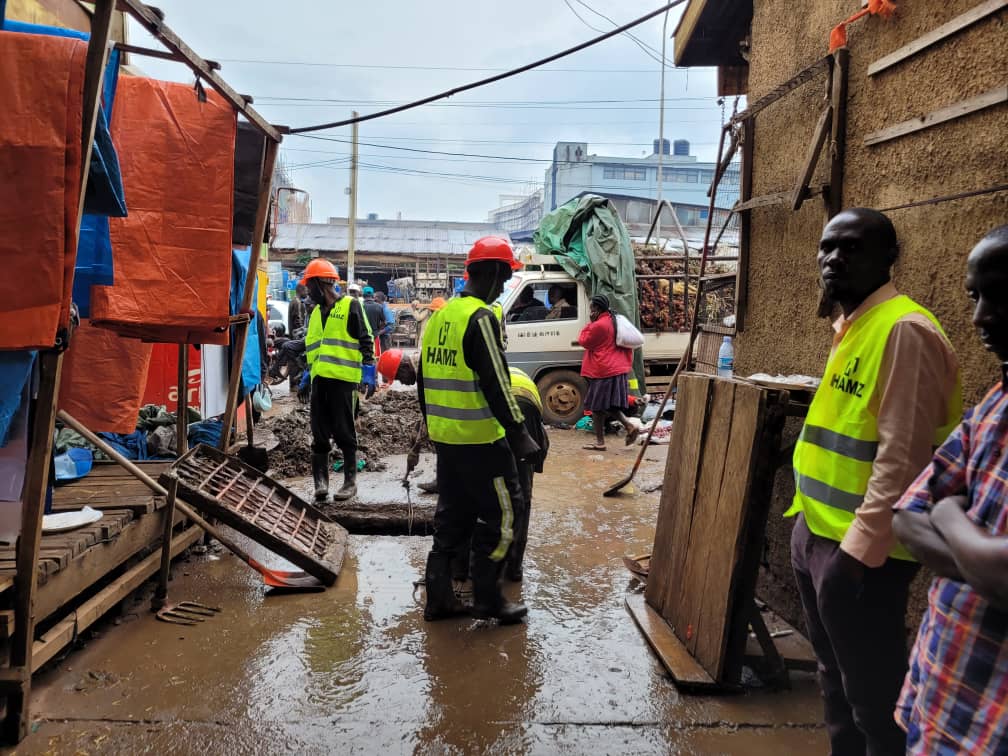
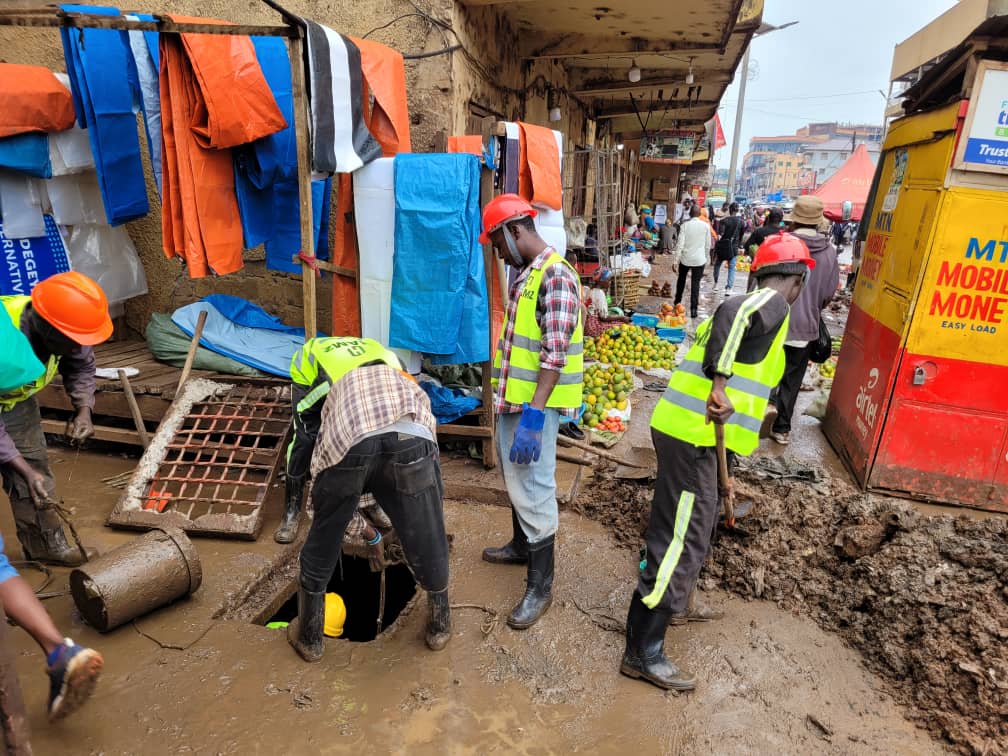
The new KCCA underground drainage overhaul Kampala flooding initiative seeks to:
- Expand underground stormwater tunnels across major hotspots like Bwaise, Kawempe, and Nakivubo
- Reduce reliance on open drains that often get blocked or misused
- Improve long-term sanitation and urban hygiene
- Integrate with green infrastructure for sustainable flood management
Key Features of the Project
The underground drainage system will involve:
- Subsurface concrete drainage tunnels engineered to handle high water volumes
- Silt traps and filtration units to prevent blockages
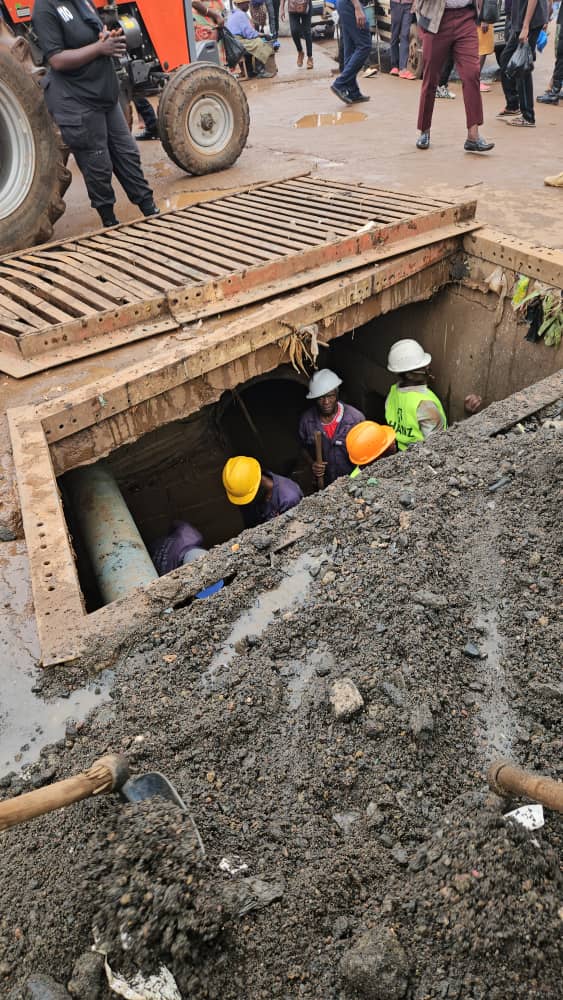
- Upgraded manholes and maintenance access points
- Integration with the existing road network and building codes to prevent flooding in residential and commercial zones
Pilot construction has already begun in parts of Nakivubo and Kisenyi, where flash floods have historically displaced hundreds of residents and disrupted commerce.
Budget, Timeline, and Partners
The underground drainage project is projected to cost UGX 1.7 trillion over the next five years. Funding will be sourced from a combination of:
- Central government allocations
- World Bank urban resilience grants
- Public-private partnerships, including construction and engineering firms
KCCA aims to complete the first phase by 2027, focusing on central business districts and high-risk residential neighborhoods.
Public Reaction and Expert Opinions
Many Kampala residents have welcomed the decision, viewing it as a long-overdue intervention. Civil engineers and urban planners have lauded the shift toward underground infrastructure as a modern and effective flood solution.
“This is a massive step in aligning Kampala’s urban planning with international flood control standards,” said Eng. Paul Mugisha, a hydrology consultant based in Uganda. “If executed well, it could drastically reduce flood-related losses and improve public health.”
However, watchdog groups have urged KCCA to maintain transparency and community engagement throughout the project to avoid mismanagement, delays, or corruption.
Integration with Broader Sanitation Goals
This KCCA underground drainage overhaul Kampala flooding project complements the city’s recently launched sanitation master plan, which focuses on solid waste management, wetland protection, and behavioral change.
By directing stormwater underground, KCCA aims not only to prevent flooding but also to reduce surface water contamination, improve mobility, and enhance the overall livability of the city.
A Watershed Moment for Kampala
The approval of the KCCA underground drainage overhaul Kampala flooding strategy marks a critical turning point in the city’s approach to infrastructure and resilience. With climate change increasing the intensity and unpredictability of rainfall, proactive and sustainable drainage systems are no longer optional—they are essential.
If successful, the project could serve as a blueprint for other African cities grappling with similar flood risks, positioning Kampala as a leader in smart, climate-resilient urban development.


