
The Nakivubo Channel Transformation project is set to redefine Kampala’s landscape. Businessman Hamis Kiggundu, also known as Ham, has unveiled a Shs180 billion ($50m) masterplan to turn the foul, flood-prone drainage channel into a clean, efficient, and commercially vibrant urban corridor. Backed by President Yoweri Museveni, the initiative promises public health, economic, and environmental benefits over the next five years.

A Longtime Urban Challenge
For decades, the Nakivubo channel has symbolised Kampala’s urban decay. Designed to drain stormwater into Lake Victoria, it became clogged with plastic waste, sewage, and industrial effluent. The result has been frequent flooding, foul odours, and major health risks. Lives have been lost during floods, while businesses near the channel often suffer property damage.
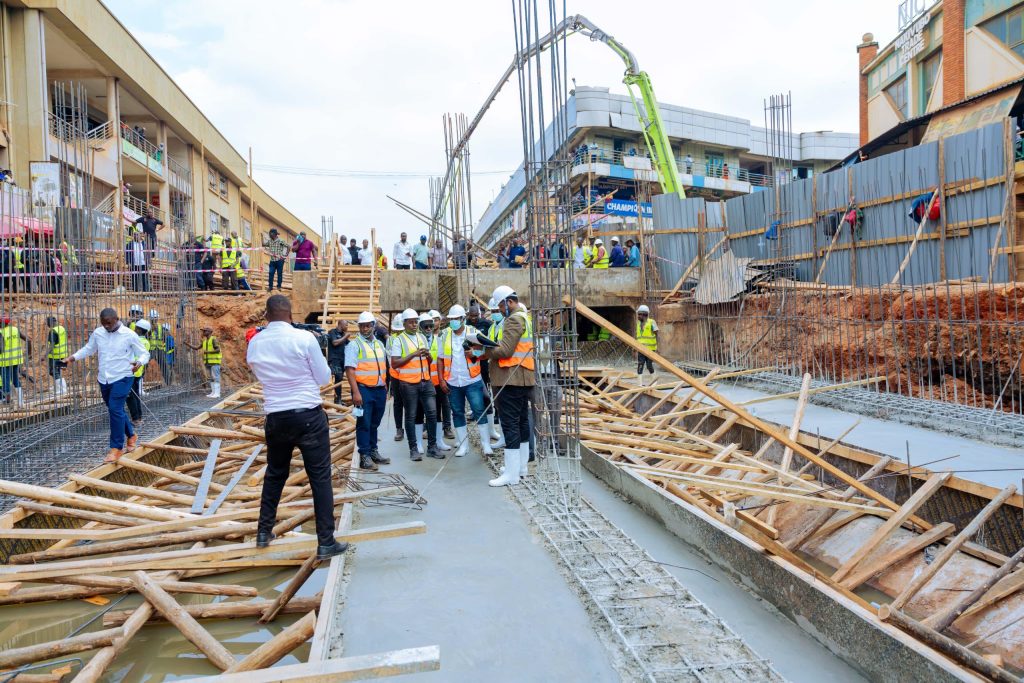
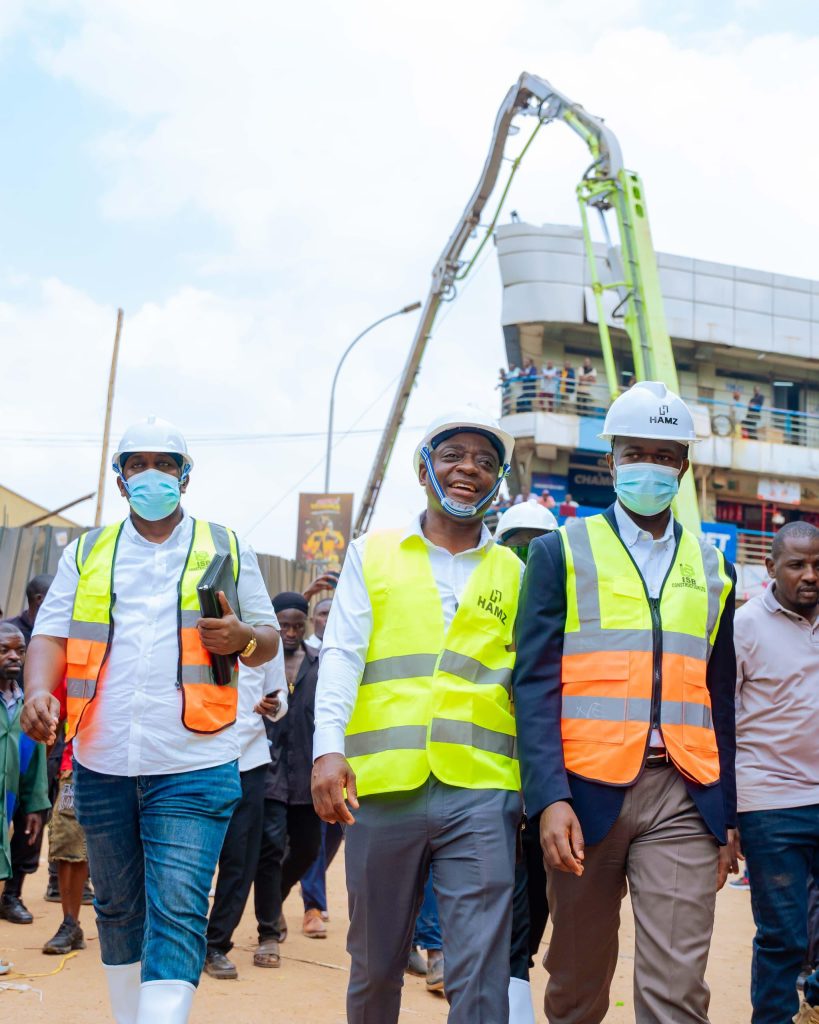
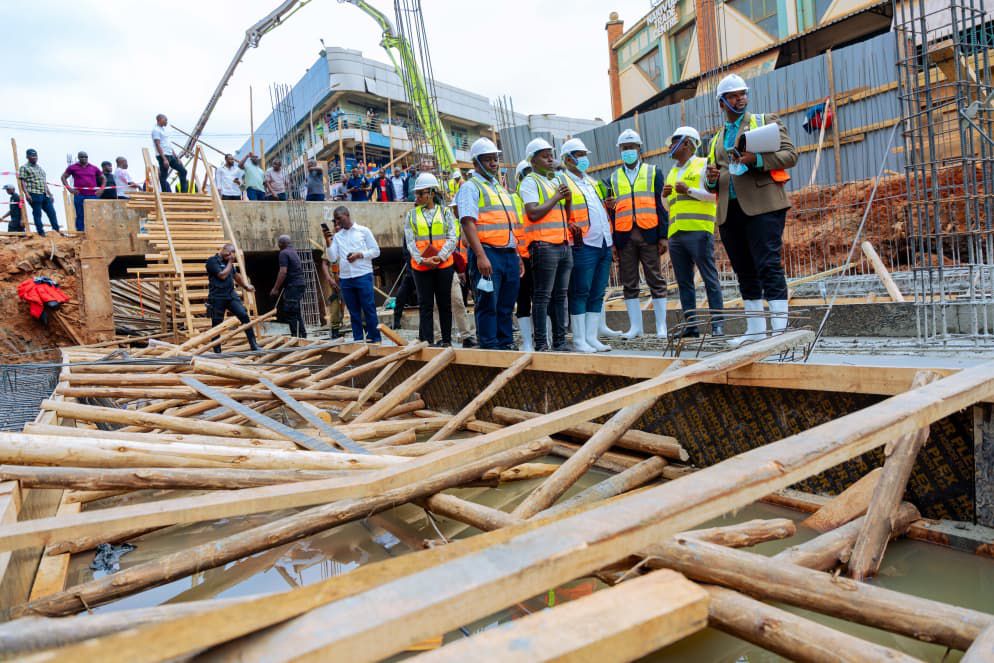
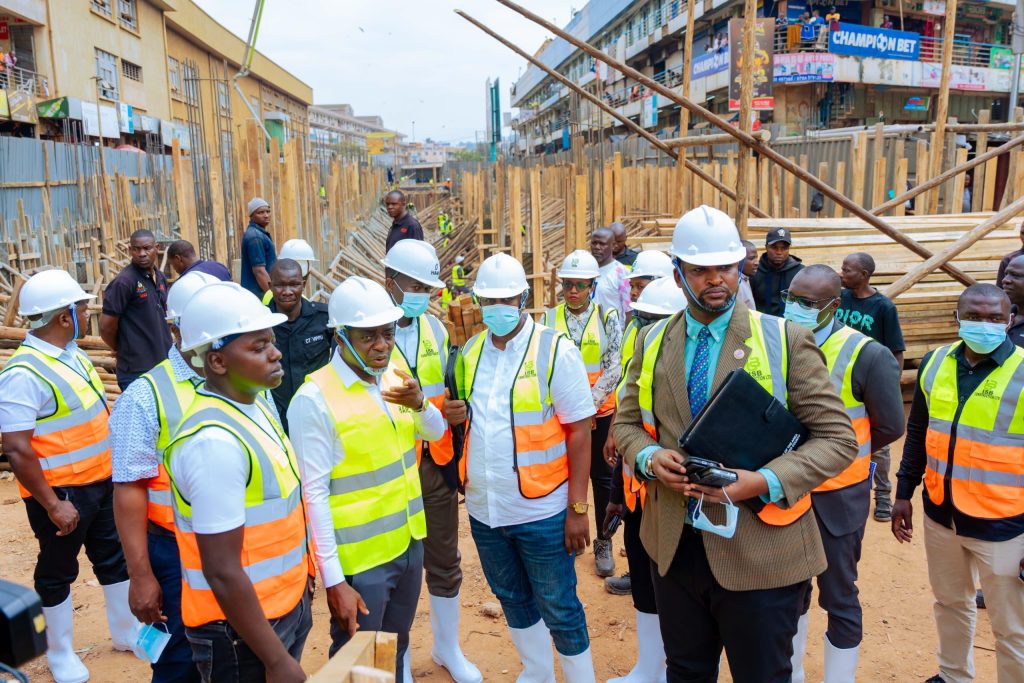
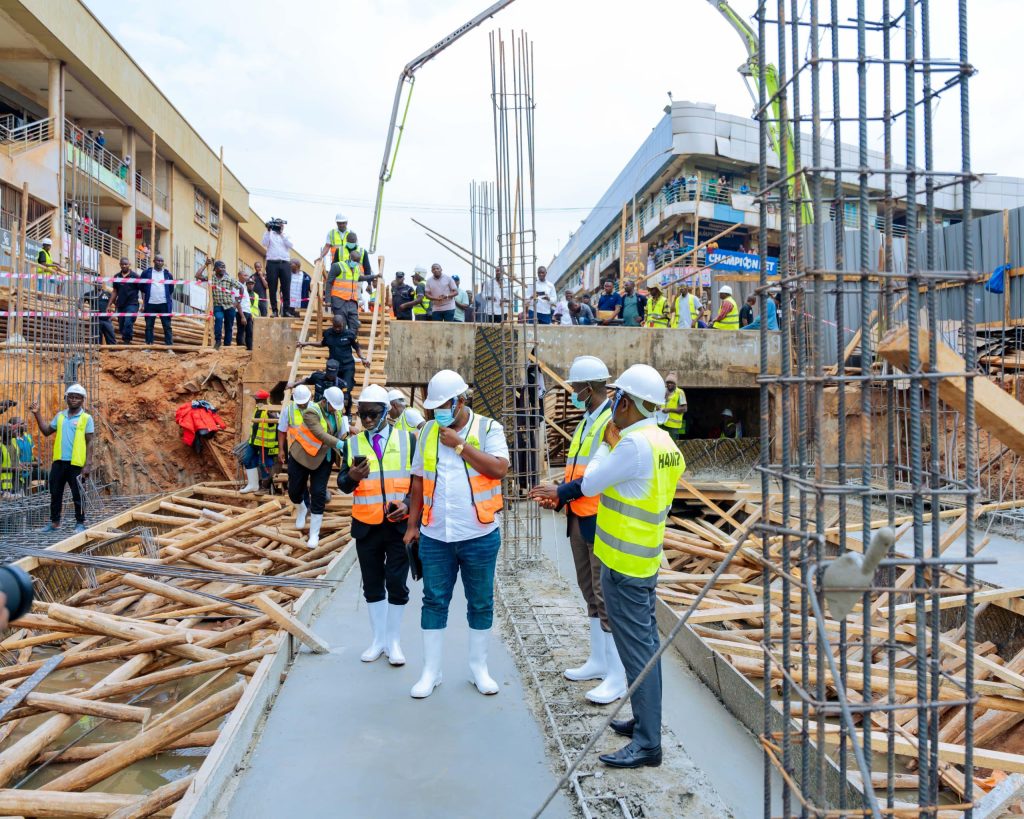
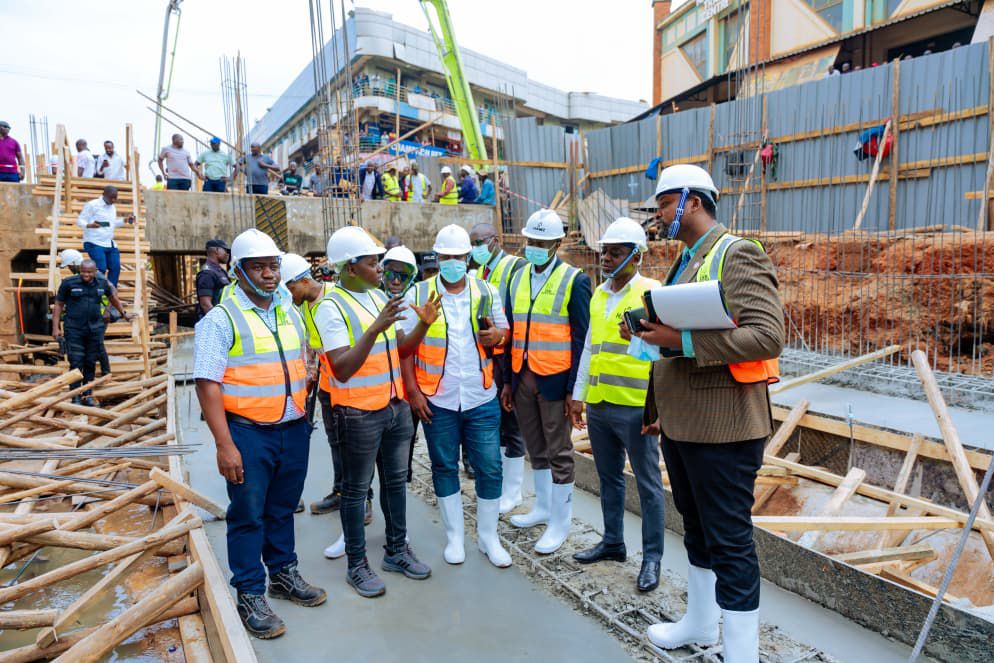
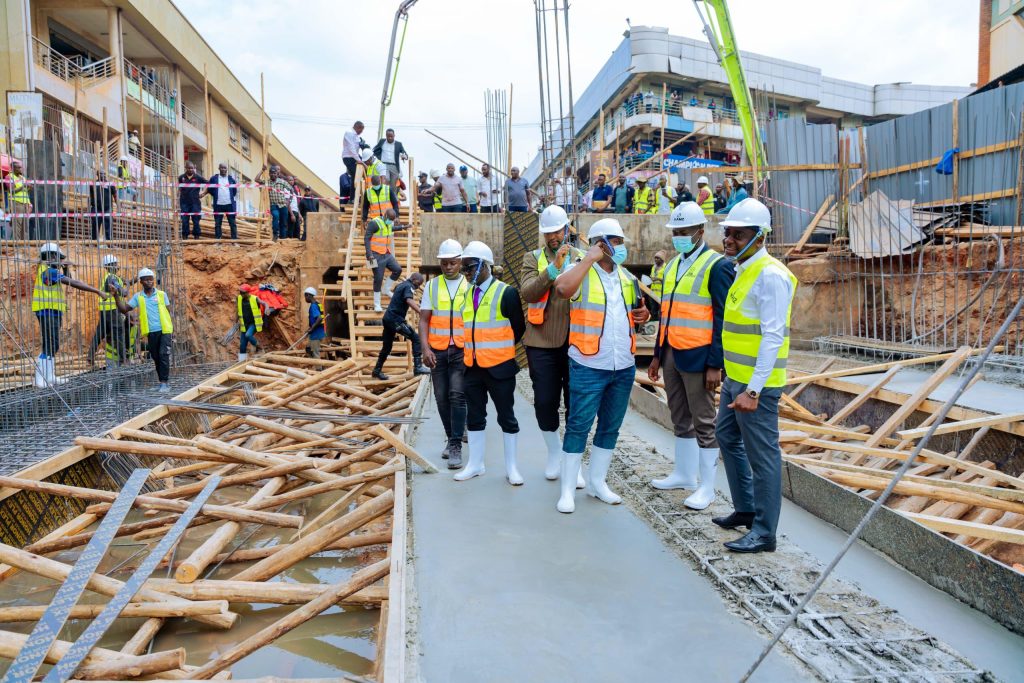
However, Ham’s project seeks to reverse this decline. He has already launched desilting operations to restore flow and strengthen the channel’s walls. Soon, engineers will cover the open drain with a reinforced concrete deck, instantly eliminating a hotspot for disease and crime.
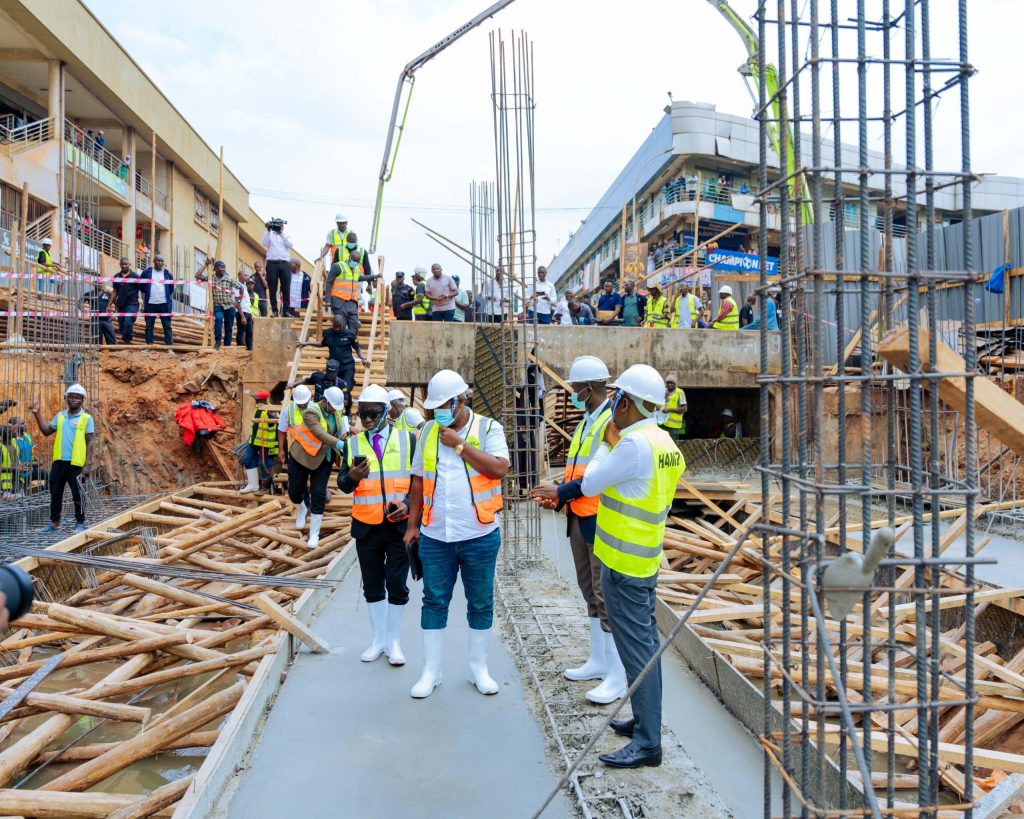
Public Health and Safety Gains
The project delivers immediate health benefits. Covering the channel will reduce mosquito breeding grounds, cut risks of cholera, and protect families from flood-related disasters.
Urban planning expert Amanda Ngabirano notes: “By covering the channel, Ham is removing a massive breeding ground for pathogens. This is not only an engineering solution but also a public health intervention.”
Consequently, Kampala residents will enjoy safer streets, cleaner air, and a healthier environment.

Economic Growth and Jobs
The Nakivubo Channel Transformation also aims to boost the economy. Construction is already creating jobs for engineers, masons, and suppliers. Once completed, Ham plans to build office blocks, retail spaces, and public walkways above the covered channel.
According to economic analyst Fred Muhumuza: “The project is a catalyst. It will create thousands of jobs, increase property values, and expand municipal revenues through taxes. What was once a neglected bypass will become a thriving commercial hub.”
Moreover, Ham has pledged permanent employment for at least 5,000 Ugandans in maintaining the new infrastructure.
Environmental Benefits
In addition to health and economic gains, the channel upgrade carries ecological advantages. A cleaner, well-structured drainage system will prevent tonnes of waste from entering Lake Victoria. This will protect aquatic life and improve water quality, which is vital for communities relying on the lake.
Meanwhile, the surface of the channel will become a landscaped greenway. Families will enjoy picnic areas, children will play safely, and joggers will run along new paths in the heart of Kampala.
A Model for Public-Private Partnership
The Nakivubo Channel Transformation represents a new model of collaboration. Ham is funding the project privately but will gain rights to develop commercial spaces on reclaimed land. The city benefits from modern infrastructure at no direct cost to taxpayers.
This approach could guide future solutions to Kampala’s challenges in waste management, traffic, and urban renewal. In addition, the project involves multiple agencies, including KCCA, the Ministry of Water and Environment, and NEMA, ensuring environmental and technical standards are met.









Looking Ahead
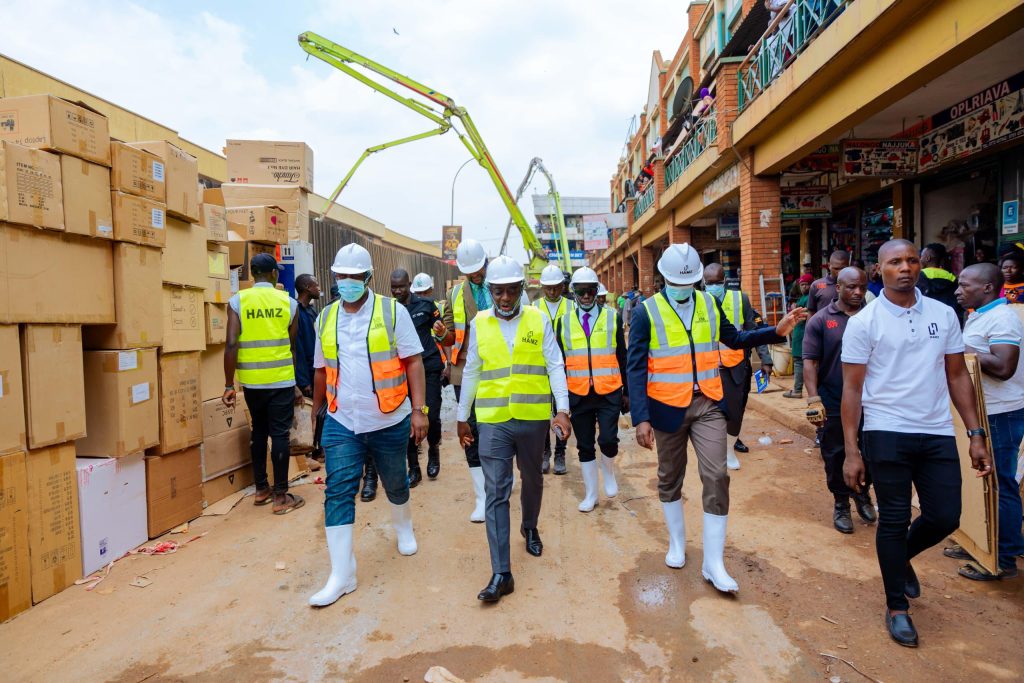
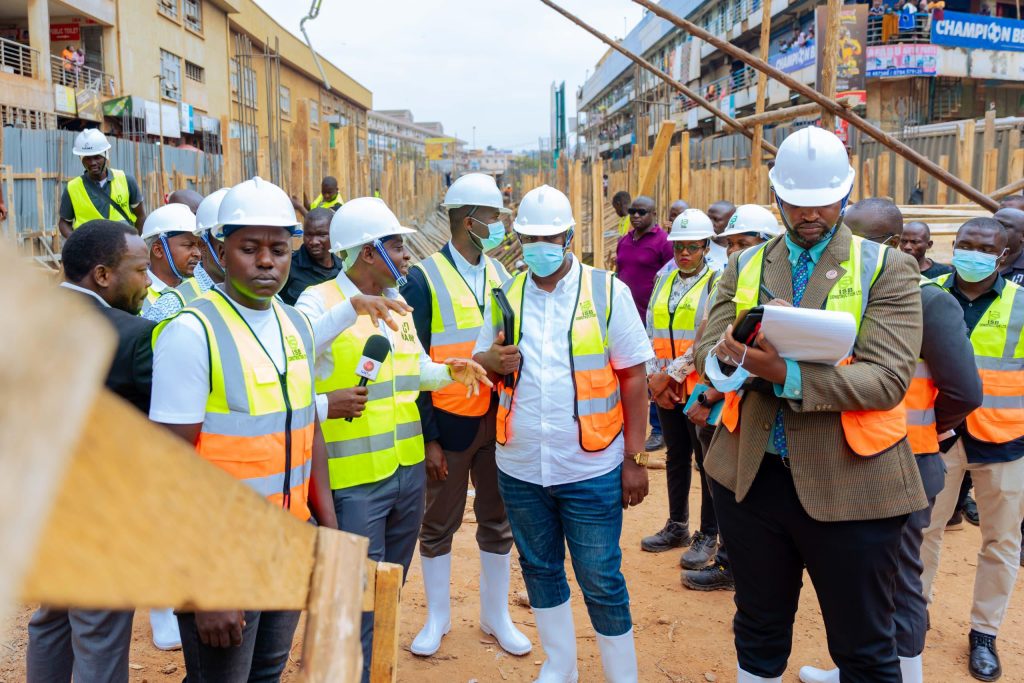
Over the next five years, the project will phase in new stormwater culverts, traffic bridges, and pedestrian footpaths. Kampala dwellers like Sarah Namirimu, a vegetable trader at Owino Market, expect lasting relief. “When it rains, we lose goods to floods. With this project, we hope our struggles will end,” she said.
Ultimately, the Nakivubo channel will transform from a source of disease and flooding into a civic asset. It will improve safety, spur business, and raise living standards for thousands.
The Nakivubo Channel Transformation is more than a drainage upgrade. It is a bold urban renewal effort, blending engineering, health, and commerce into one vision. If successful, it will stand as a model for how private initiative and public benefit can align to shape a modern African city.


