Updated on 07/02/2024
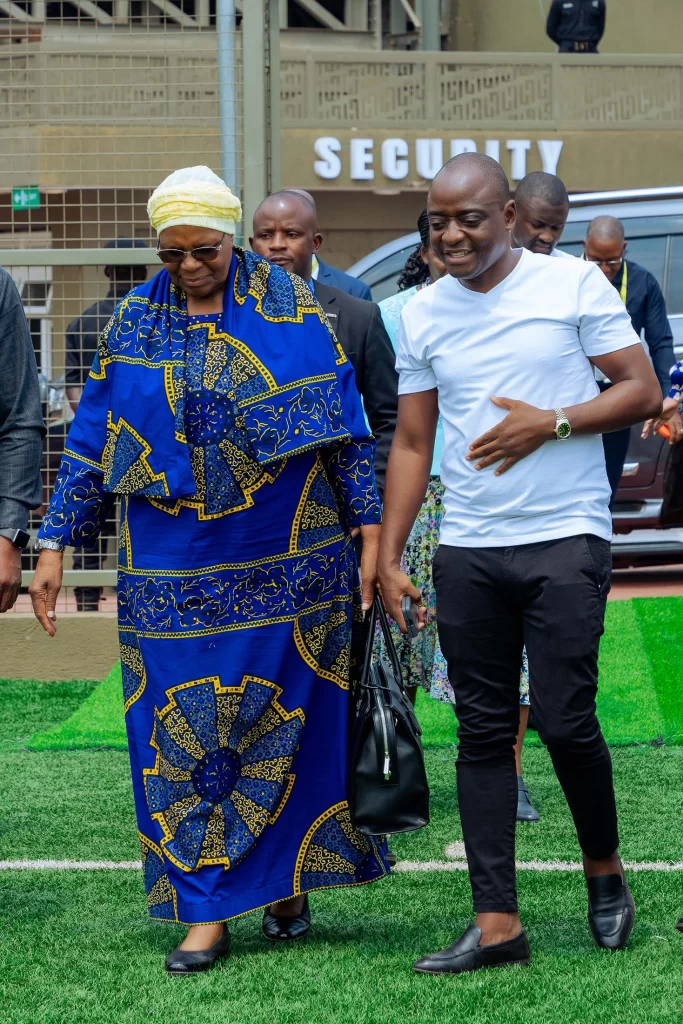
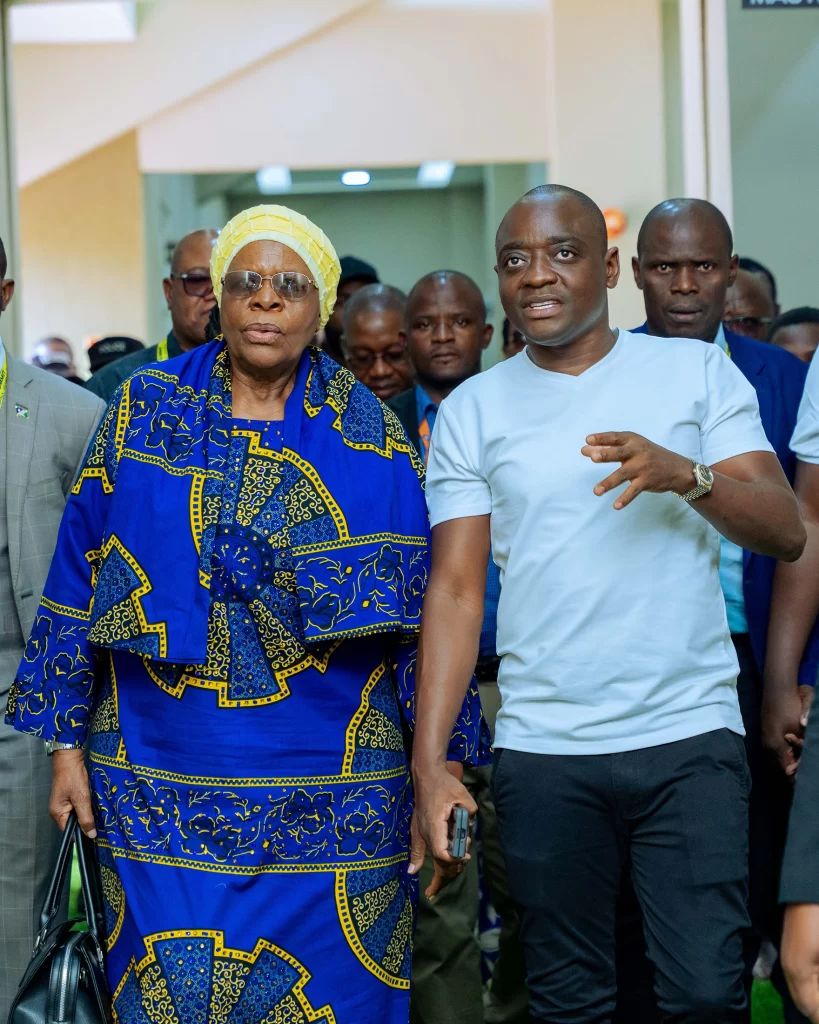
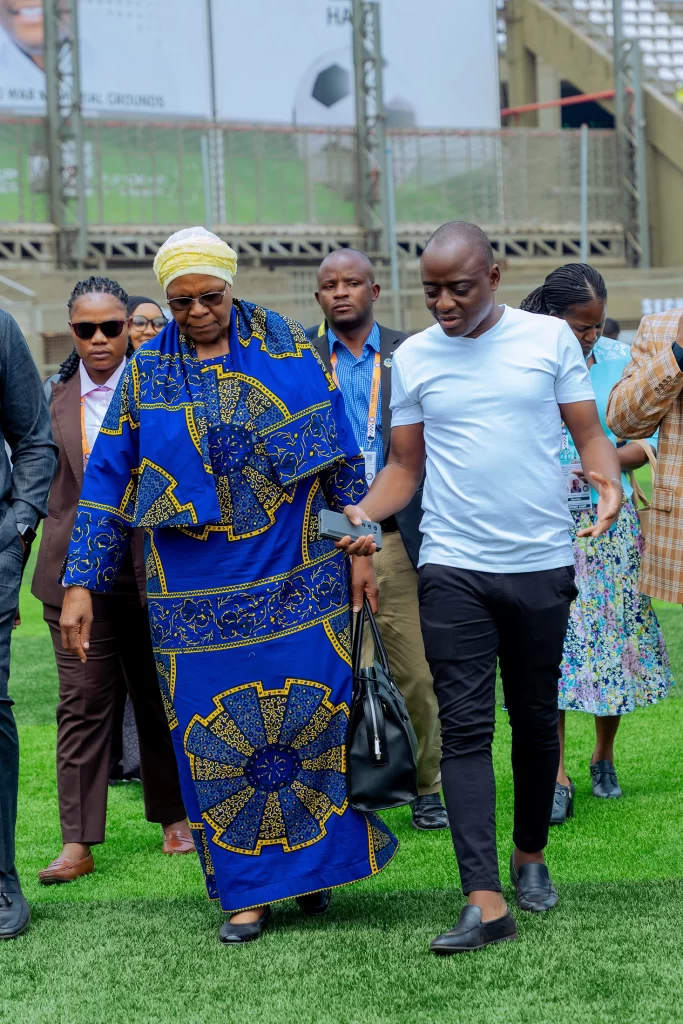
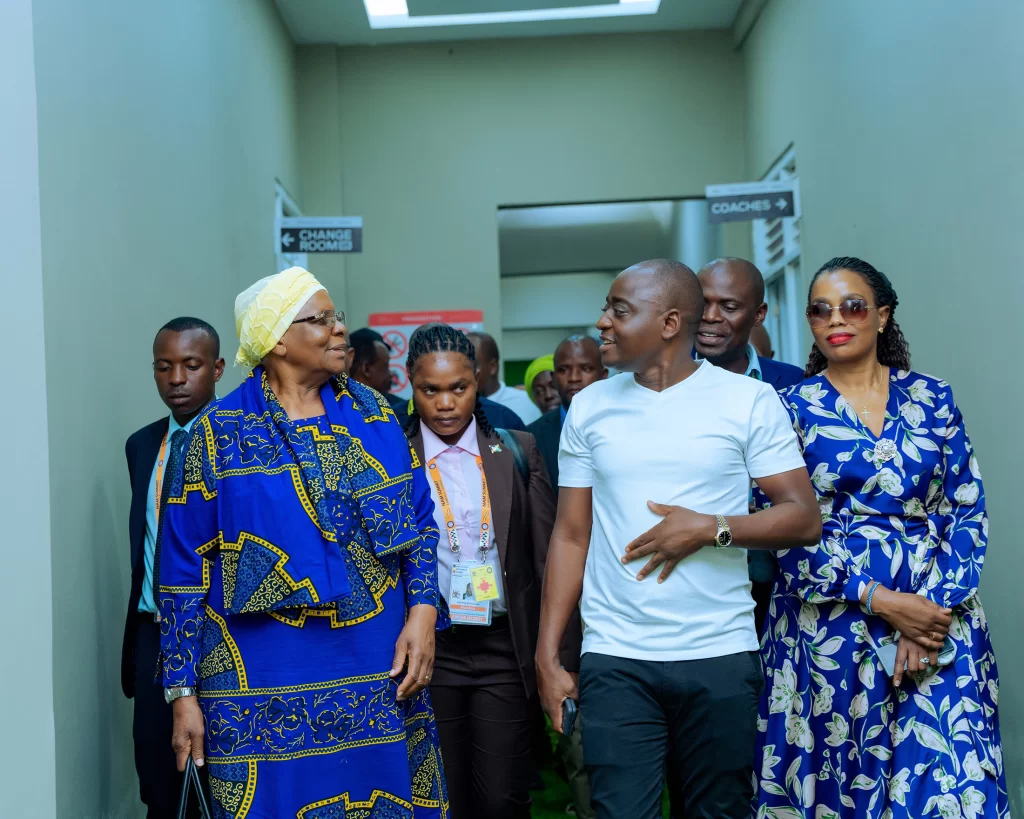
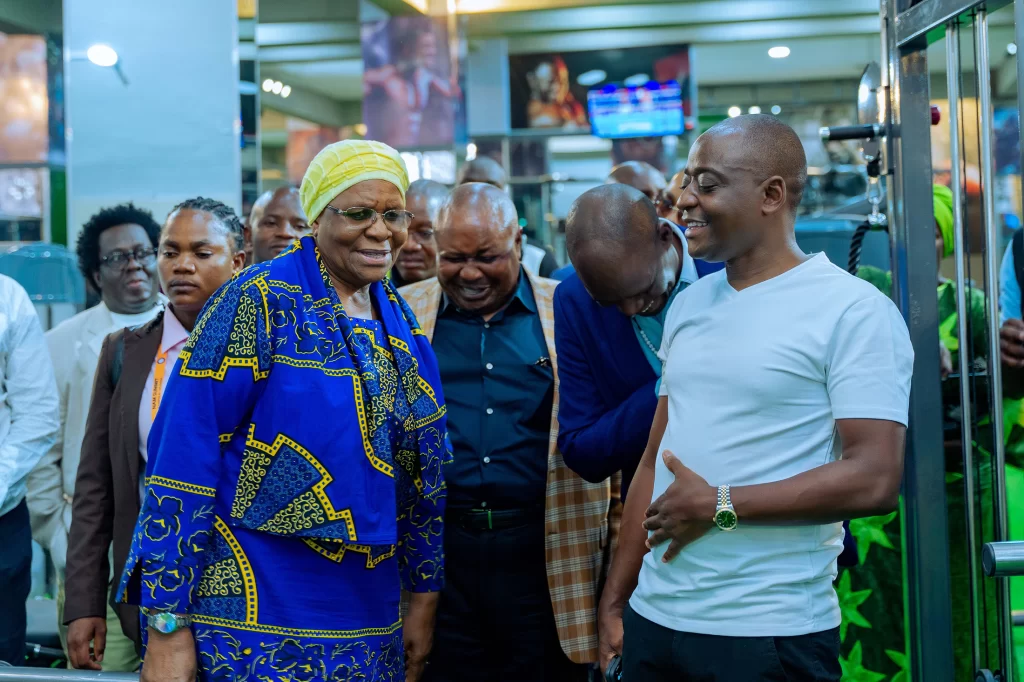
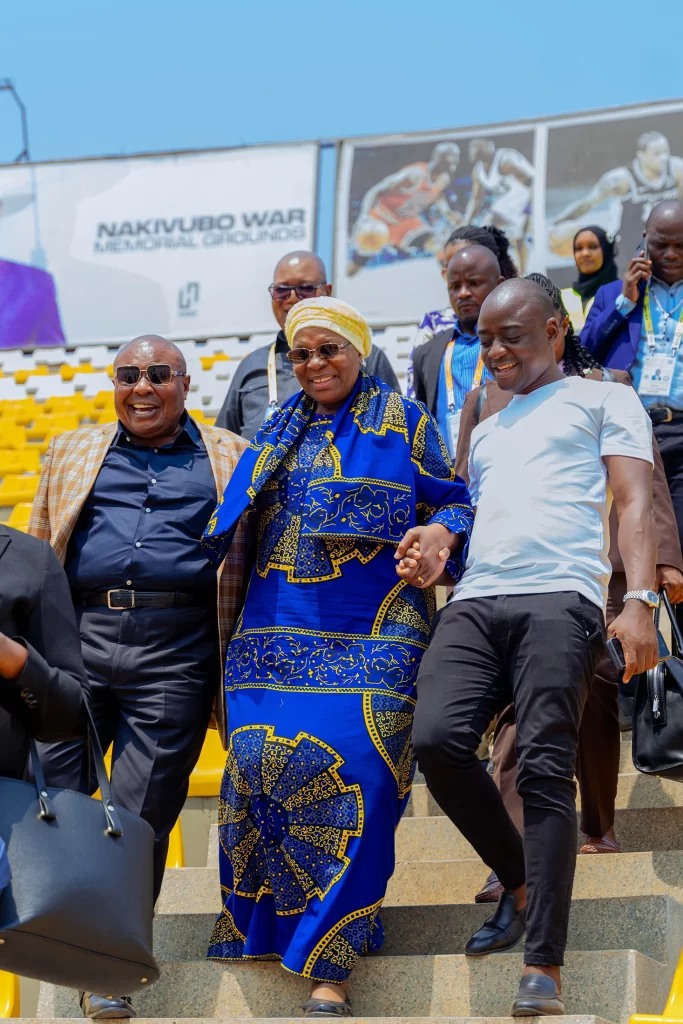
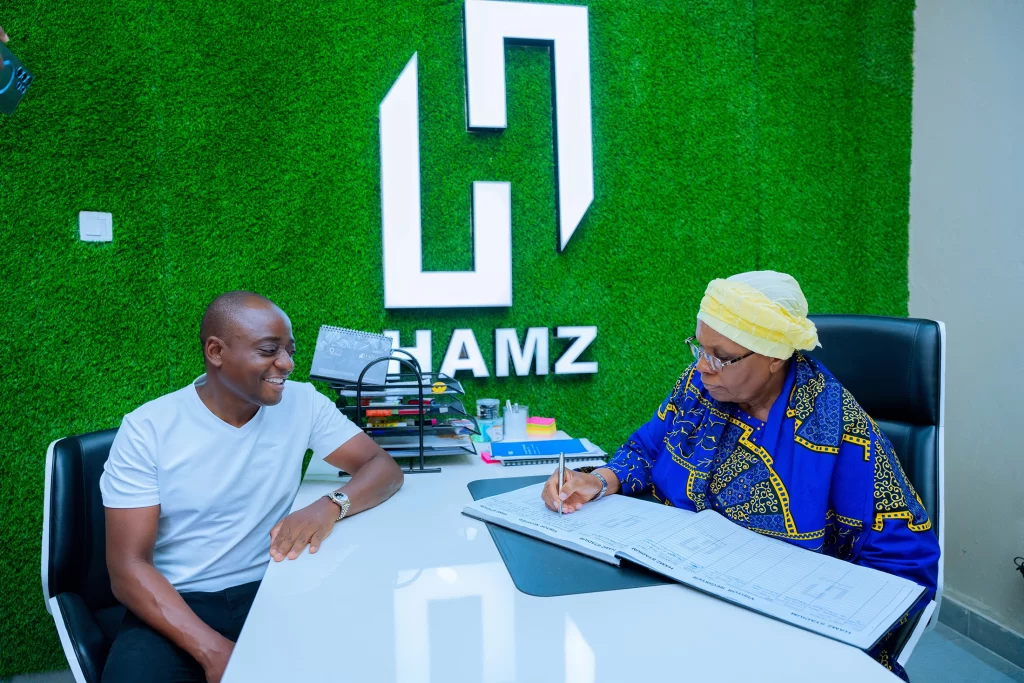
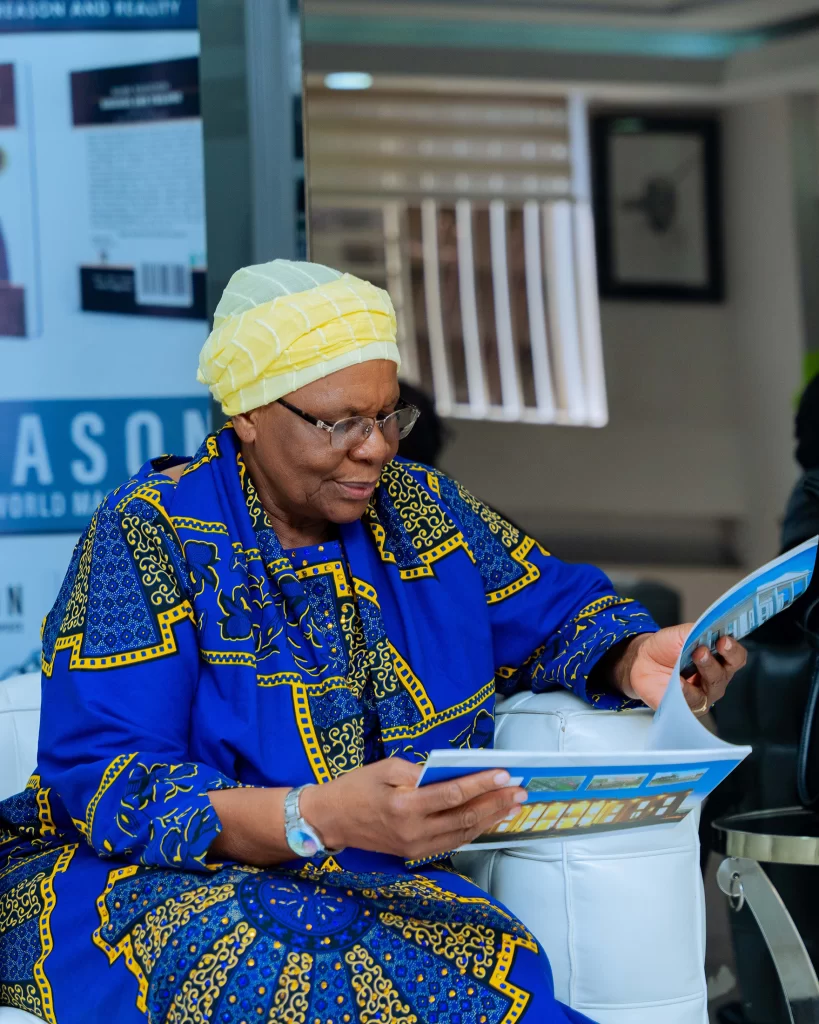
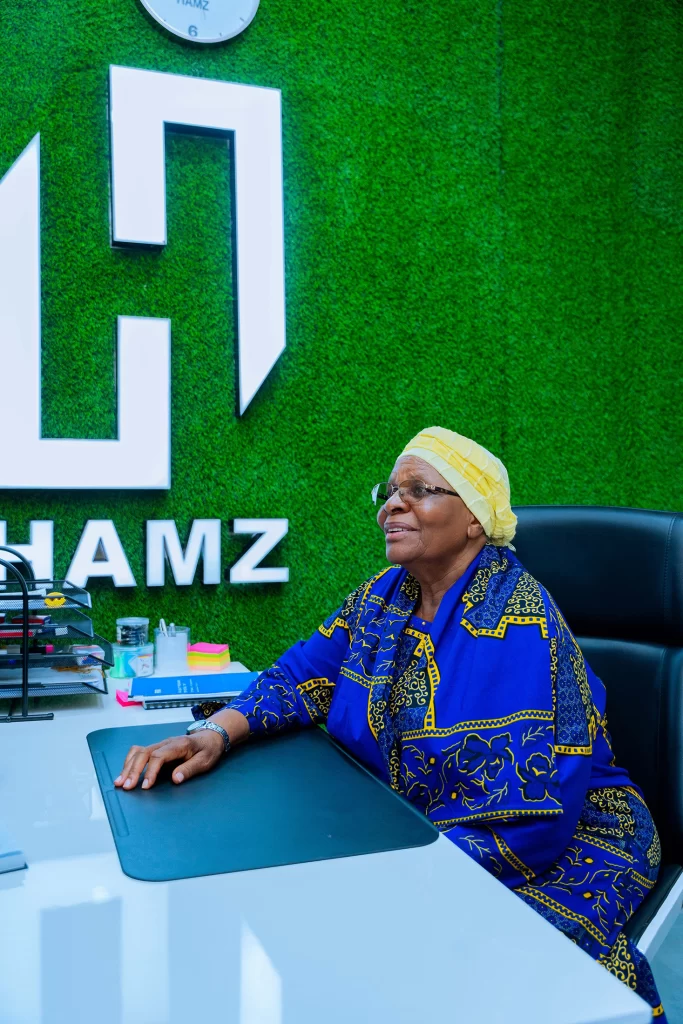
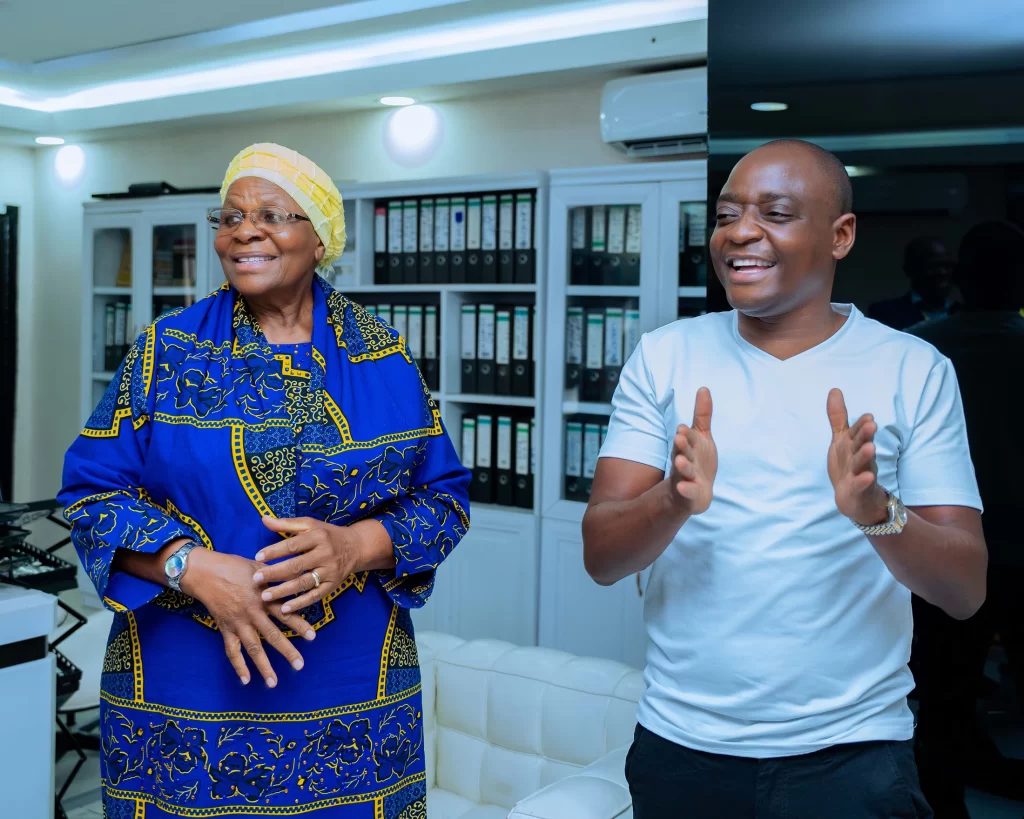
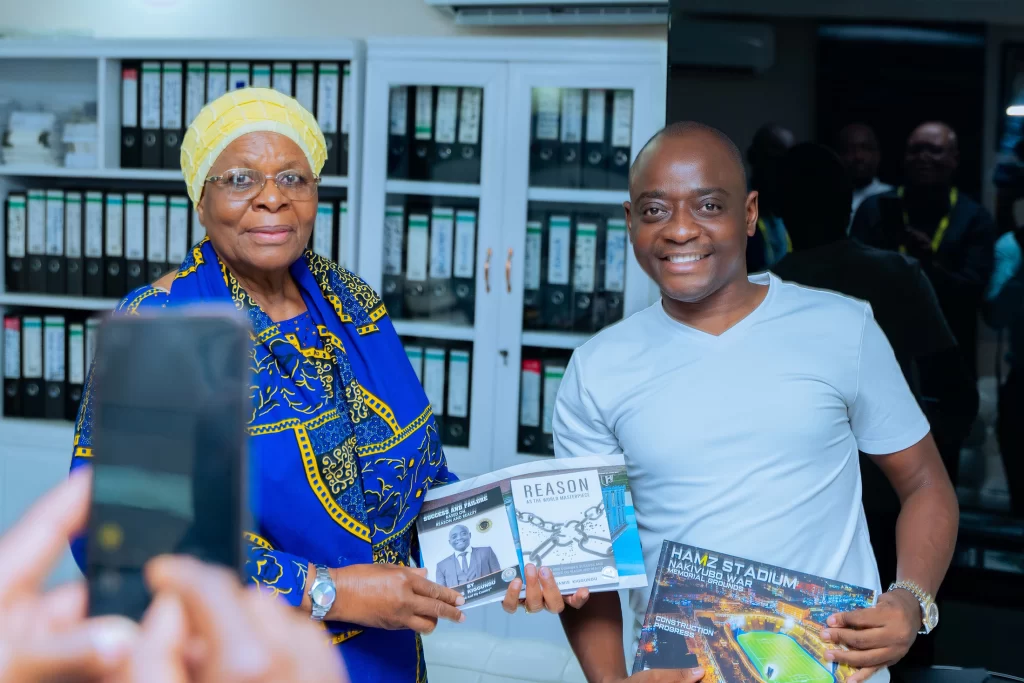
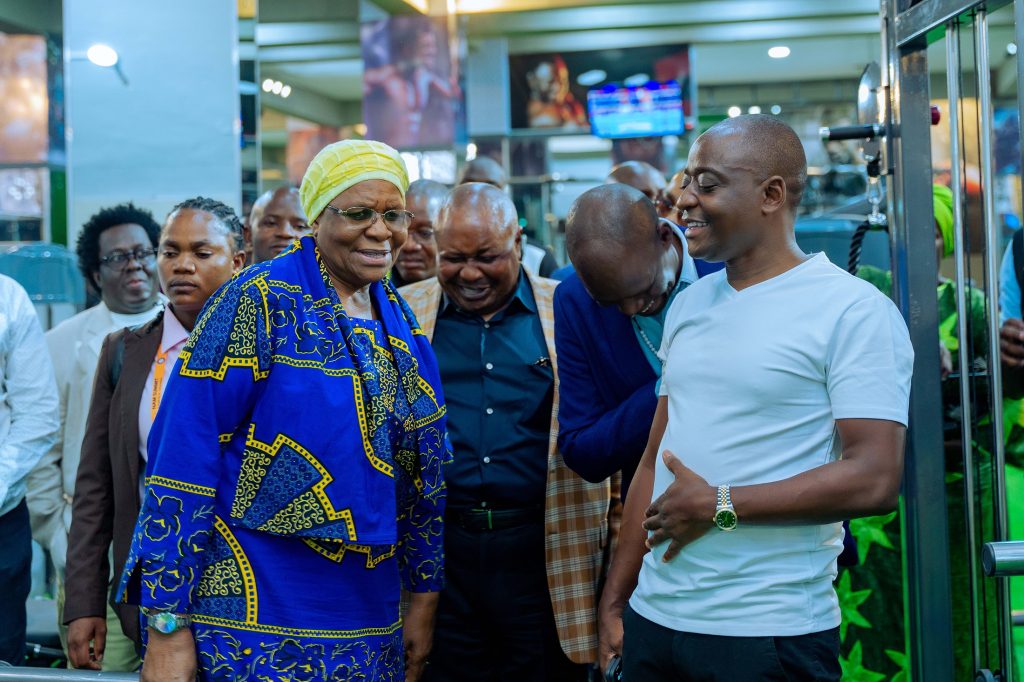
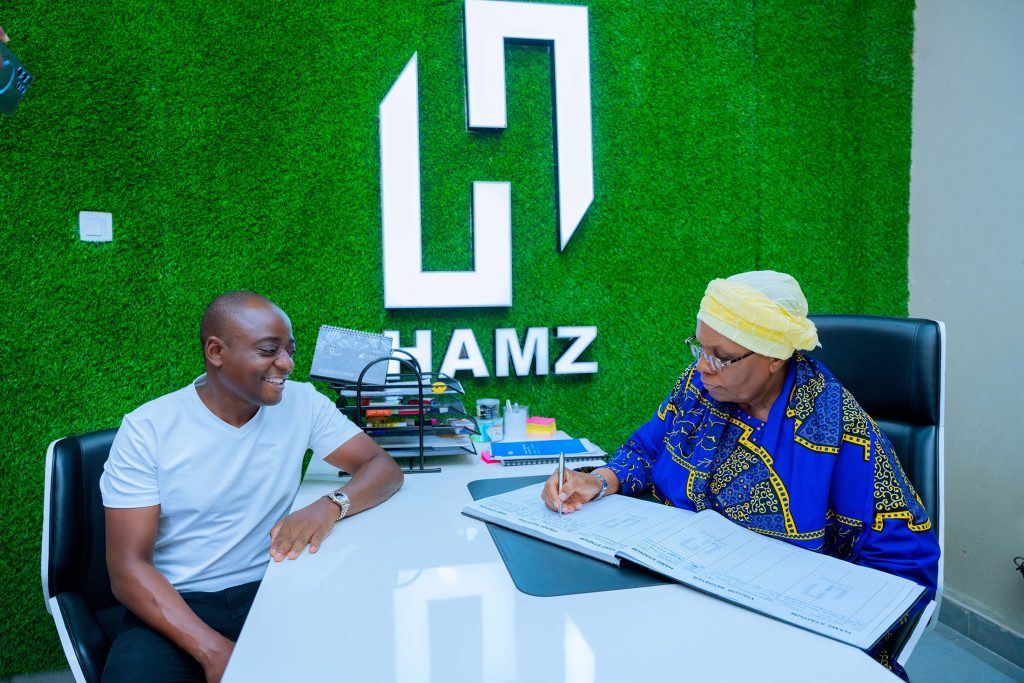
A delegation from Namibia, led by President-elect Dr. Nandi Ndaitwah Netumbo, and accompanied by Uganda-Namibia Ambassador H.E. Godfrey Kirumira, visited the Hamz Stadium at Nakivubo War Memorial Grounds earlier today. The delegation expressed great fascination with the outstanding work done by Ugandan entrepreneur Hamis Kiggundu in realizing a world-class stadium.
Impressed by Kiggundu’s achievements, President-elect Dr. Nandi Ndaitwah Netumbo invited Mr. Kiggundu to visit Namibia and undertake the construction of a similar world-class stadium for the country. This proposal marks a significant endorsement of Kiggundu’s capabilities and underscores the potential for African-driven development projects.
Mr. Kiggundu, known for building the Nakivubo stadium with exclusively African input from financing to engineering, is now set to undertake a second national stadium project in Namibia. The visit and subsequent collaboration highlight the collective efforts of Africans in advancing infrastructure and sports development on the continent.
The Hamz Stadium, which is poised to host matches for AFCON 2027, boasts state-of-the-art facilities, including ample parking, modern gyms, training facilities, offices, and a health facility providing first aid and basic medical attention. The stadium also features amenities such as a basketball court, netball court, a boxing ring, and various sitting areas for VVIPs, VIPs, and ordinary spectators.
Additionally, the stadium has hostels for players and delegates in residence, ensuring a comprehensive and inclusive sports infrastructure. The standard-size football pitch has received approval from a Confederation of African Football team, further solidifying its readiness for the upcoming AFCON tournament.
The collaborative efforts between Uganda and Namibia in the field of sports infrastructure represent a positive step towards the advancement of African nations through homegrown development initiatives. As Hamis Kiggundu embarks on this new project in Namibia, it symbolizes the potential for African nations to build and enhance their infrastructure collaboratively, guided by reality and blessings.